What is a Good Painkiller for Nerve Pain?

Dealing with a pinched nerve can be extremely uncomfortable. It often causes pain, numbness, or tingling in the area affected by the nerve compression. Understanding the duration of these symptoms and the factors influencing recovery can help you manage expectations and find effective treatments. Identifying a Pinched Nerve A pinched nerve occurs when there is compression on a nerve by surrounding tissues, such as bones, cartilage, muscles, or tendons. This pressure disrupts the nerve's function, leading to the symptoms many experience. Common sites for pinched nerves include the neck, back, and wrists. Typical Duration The duration of symptoms from a pinched nerve can vary significantly depending on the severity of the compression and the underlying cause. Generally, most people recover from a minor pinched nerve within a few days to a few weeks. Consistent treatment usually helps alleviate symptoms faster. Factors Affecting Recovery Severity of Compression: The more severe the compression on the nerve, the longer the recovery may take. Time Before Treatment: Earlier treatment can lead to quicker recovery. Delaying treatment can sometimes cause more persistent or severe symptoms. Underlying Health Conditions: Conditions like diabetes or rheumatoid arthritis can affect healing rates and make recovery slower. Lifestyle Factors: Activity levels, nutrition, and general health can all influence healing. Healthier lifestyles tend to support faster recovery. Treatment Options Treatment for a pinched nerve includes a variety of options, each aimed at relieving pressure on the nerve and alleviating symptoms: Rest: Avoiding activities that aggravate the nerve is crucial. Medication: Over-the-counter pain relievers and anti-inflammatory drugs can reduce pain and swelling. Physical Therapy: A therapist can teach you exercises that strengthen the muscles around the nerve, improving alignment and relieving pressure. Surgery: In severe cases, surgical intervention may be necessary to remove the material that's pressing on the nerve. Home Remedies In addition to medical treatments, some home remedies can also help alleviate symptoms: Heat and Ice Packs: Applying heat or ice can reduce inflammation and numb the affected area. Elevation: Keeping the affected area elevated can reduce swelling and pain. Gentle Stretching: Light stretching can help relieve pressure on the nerve. When to Seek Medical Attention If your symptoms worsen or do not improve after a few weeks, consult a healthcare professional. Also, seek immediate medical help if you experience severe symptoms like muscle weakness, problems controlling your bowels or bladder, or if the pain becomes unbearable. Moving Forward with Care Most people recover from a pinched nerve with proper care and treatment. It's important to listen to your body and avoid activities that might aggravate the nerve during your recovery. Remember, each person's recovery journey is unique. Wrapping Things Up In summary, a pinched nerve typically resolves in a few days to weeks, but this can vary widely. Adhering to treatment plans and making appropriate lifestyle adjustments can significantly shorten the duration of discomfort. Managing a pinched nerve effectively involves a combination of medical advice, self-care, and, in some cases, patience.

Nerve pain, or neuropathic pain, is a complex condition that often requires specialized treatment. It can feel like a shooting, burning, or stabbing sensation. This type of pain occurs when nerve fibers are damaged, dysfunctional, or injured. Finding an effective painkiller can be a key step in managing this pain. Let’s explore some of the most commonly prescribed medications and how they can help.

Understanding Nerve Pain

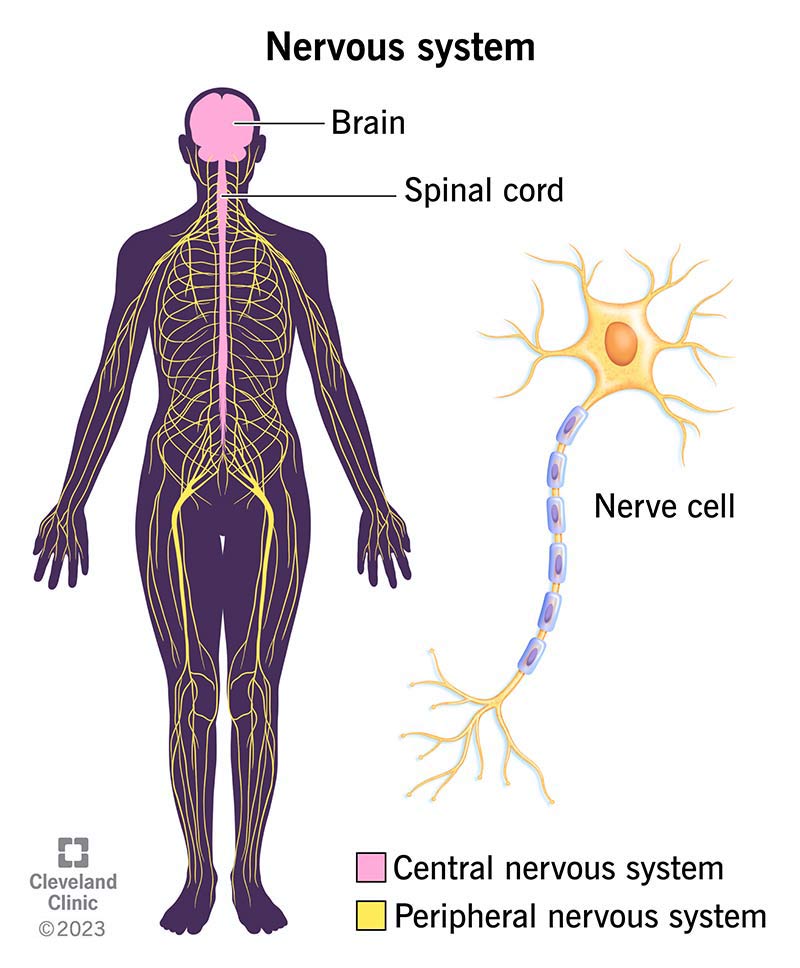
Nerve pain arises from various conditions, including diabetes, shingles, and spinal injuries. Unlike typical pain, which results from an injury or inflammation, nerve pain is a direct result of a disruption in the nervous system itself. Thus, treating it often requires medications that target nerve function.

Over-the-Counter Options

For mild nerve pain, over-the-counter (OTC) pain relievers like acetaminophen or NSAIDs (non-steroidal anti-inflammatory drugs) may be sufficient. These can help manage minor symptoms. However, they are often not effective for severe nerve pain. This is because they don’t specifically target the nerve-related pain pathways.

Prescription Medications

  1. Anticonvulsants: Drugs originally designed to treat epilepsy can also relieve nerve pain. Gabapentin and pregabalin are the most common. They work by stabilizing electrical activity in the nerves and preventing abnormal nerve communication. This can significantly reduce pain sensations.
  2. Antidepressants: Certain antidepressants, such as amitriptyline, duloxetine, and venlafaxine, are also used to treat nerve pain. They increase neurotransmitters in the brain that interrupt pain signals. While effective, they must be used with caution due to potential side effects and withdrawal risks.
  3. Topical treatments: For localized areas of nerve pain, topical treatments like capsaicin cream or lidocaine patches can be beneficial. These products work by numbing the nerve endings in the skin. They are especially useful for people who prefer not to take oral medications.

Other Treatments

In addition to medications, other therapies can be used to manage nerve pain:

  • Physical therapy: Helps strengthen muscles, improve mobility, and reduce pressure on nerves.
  • TENS (Transcutaneous Electrical Nerve Stimulation): Uses a mild electrical current to relieve pain.
  • Acupuncture: May reduce nerve pain by altering pain pathways.

Lifestyle Adjustments

Lifestyle changes can also play a role in managing nerve pain. Maintaining a healthy weight, exercising regularly, and avoiding alcohol and smoking can improve overall nerve health. Additionally, good sleep habits can help lessen the intensity of the pain.

Considerations and Precautions

It’s important to consult with a healthcare professional before starting any new treatment for nerve pain. They can provide guidance based on your specific health conditions and potential interactions with other medications.

Final Tips for Relief

Managing nerve pain effectively often requires a combination of treatments tailored to your individual needs. Discussing options with your doctor, monitoring your symptoms, and adjusting your approach as needed can help you find the most effective regimen. Keep in mind that managing nerve pain is often about balancing pain relief with managing side effects. With the right approach, it is possible to regain a comfortable and active life.