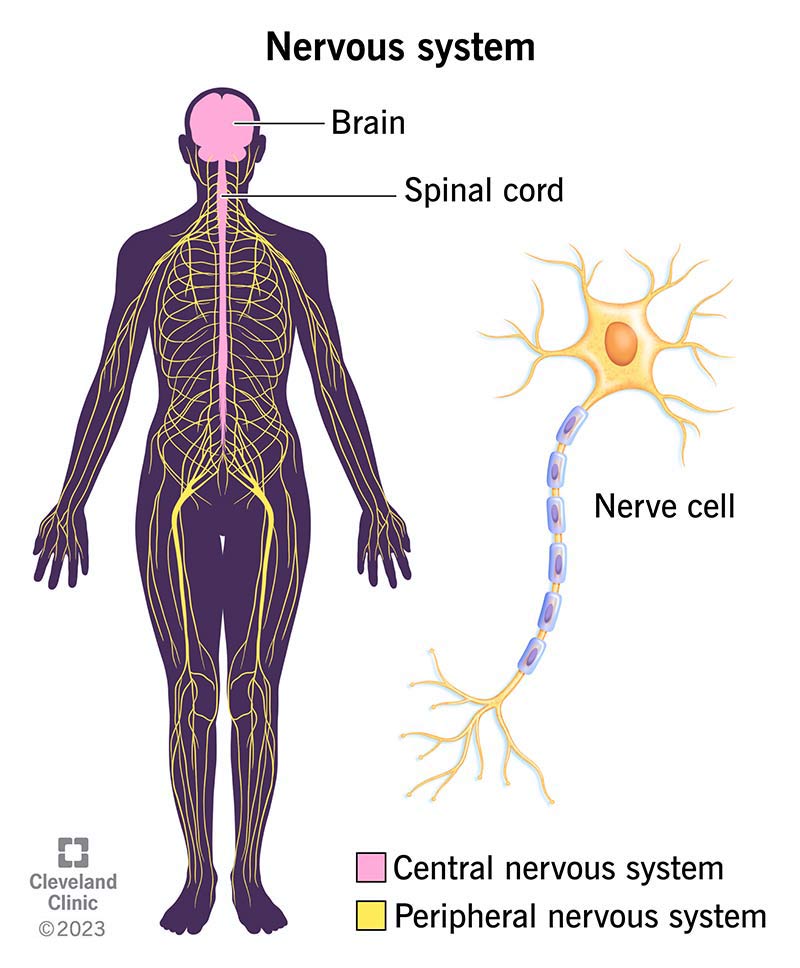
The vagus nerve, also known as cranial nerve X, is the longest and most complex of the cranial nerves. It extends from the brainstem through the neck and down into the chest and abdomen. This nerve has a wide array of responsibilities, impacting your heart, lungs, and digestive tract. It helps to regulate several bodily functions including heart rate, breathing, and digestion.
Functions of the Vagus Nerve
The vagus nerve plays a pivotal role in the autonomic nervous system, which controls involuntary bodily functions. Here are some of its key functions:
- Heart Rate Regulation: It helps slow down the heart rate after stressful situations.
- Digestion: It stimulates the muscles in the stomach to contract and release digestive enzymes.
- Mood Regulation: It sends signals to the brain that affect mood and stress levels.
Vagus Nerve and Health
The health of your vagus nerve is integral to your overall wellbeing. A well-functioning vagus nerve supports good digestion, low heart rate, and effective respiratory rates. It also has a significant impact on your mental health, helping to manage anxiety and depression symptoms.
Signs of a Healthy Vagus Nerve
A strong vagus nerve is indicated by a good balance in heart rate variability (HRV), which is the variation in the time between each heartbeat. High HRV is a sign of a healthy, resilient cardiovascular system. Other signs include regular digestion and a calm emotional state.
Stimulating the Vagus Nerve
Stimulating your vagus nerve can enhance your parasympathetic tone, leading to relaxation and reduced stress levels. Here are a few methods to stimulate the vagus nerve:
- Deep Breathing: Slow, deep breathing increases vagal tone and reduces stress.
- Cold Exposure: Brief cold showers can stimulate the vagus nerve.
- Singing or Humming: These activities activate the muscles at the back of the throat, which are served by the vagus nerve.
Vagus Nerve Disorders
Issues with the vagus nerve can lead to a variety of symptoms, depending on where the damage occurs. Problems might include difficulty swallowing, loss of voice, or irregularities in heart rate. If you experience these symptoms, seeking medical advice is essential.
Research and the Vagus Nerve
Recent studies highlight the potential therapeutic benefits of vagus nerve stimulation (VNS). VNS has been used to treat epilepsy and is being investigated as a treatment for depression, PTSD, and inflammatory diseases. The research is promising, showing that targeted stimulation of the vagus nerve can significantly improve quality of life for people with these conditions.
Final Insights on the Vagus Nerve
Understanding the vagus nerve and its function can be a key factor in maintaining physical and mental health. Simple activities like deep breathing or singing can help stimulate this nerve, promoting relaxation and enhancing bodily functions. As research continues to uncover the vast potential of the vagus nerve, it’s clear that this part of our nervous system plays a critical role in our overall well-being.