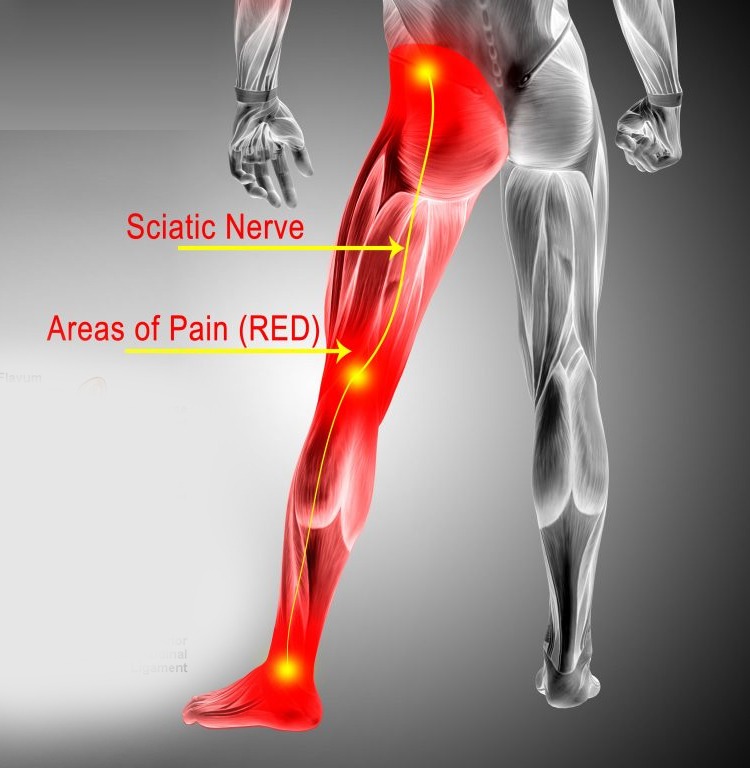
Sciatica can cause significant discomfort, ranging from a mild ache to a sharp, burning sensation, typically on one side of the body. It often affects the path from the lower back down through the legs. Stretching exercises are a useful approach to alleviate this pain. They can help loosen tight muscles and relieve pressure on the sciatic nerve. Here’s a guide on how to perform sciatic nerve stretches safely and effectively.
The Importance of Stretching
Stretching plays a crucial role in managing sciatic nerve pain. It improves flexibility, increases blood flow, and reduces tension in both the lower back and the legs. These benefits can lead to a noticeable reduction in pain and discomfort.
Getting Started
Before you begin stretching, it’s important to warm up. A short walk or a few minutes of light activity can increase muscle temperature and make them more pliable. This helps prevent injuries during stretching.
Stretch #1: Reclining Hamstring Stretch
This stretch targets the hamstrings, which can contribute to lower back pain and sciatica symptoms.
- Lie on your back with both legs extended.
- Lift one leg, keeping it slightly bent at the knee.
- Loop a towel or yoga strap around the foot of the lifted leg.
- Gently pull the towel or strap towards you while keeping your knee straight. You should feel a stretch along the back of your leg.
- Hold for 30 seconds, then switch to the other leg.
Stretch #2: Piriformis Stretch
The piriformis muscle, located in the buttock region, can also affect the sciatic nerve if it becomes tight.
- Lie on your back with both knees bent.
- Cross one leg over the other so your ankle rests on the opposite knee.
- Pull the knee of the crossed leg toward your chest until you feel a stretch in your buttock.
- Hold for 30 seconds, then switch legs.
Stretch #3: Knee to Opposite Shoulder
This exercise helps relieve pain by loosening the gluteal and piriformis muscles.
- Lie on your back with legs extended.
- Bend one knee and clasp your hands around it.
- Gently pull your knee across your body towards the opposite shoulder. Avoid lifting your hips off the ground.
- Hold for 30 seconds, feeling a stretch in your buttocks and lower back.
- Repeat on the other side.
Tips for Success
While stretching can be very beneficial, it’s important to listen to your body. Never push into a painful position. Gradually increase the intensity of each stretch to avoid muscle strain. Consistency is key. For best results, incorporate these stretches into your daily routine.
Safety First
If you have severe sciatica, consult with a healthcare provider before starting any new exercise routine. They can recommend adjustments or alternative treatments tailored to your specific needs.
Wrapping Up with Ease
Incorporating these stretches into your daily routine can significantly ease the symptoms of sciatica. Over time, you may find that your flexibility improves and your discomfort decreases. Regular stretching, when combined with other treatments like physical therapy or medication, can help you manage sciatica effectively and improve your overall quality of life. Remember, a gentle approach today can lead to significant relief tomorrow.