Understanding Gabapentin
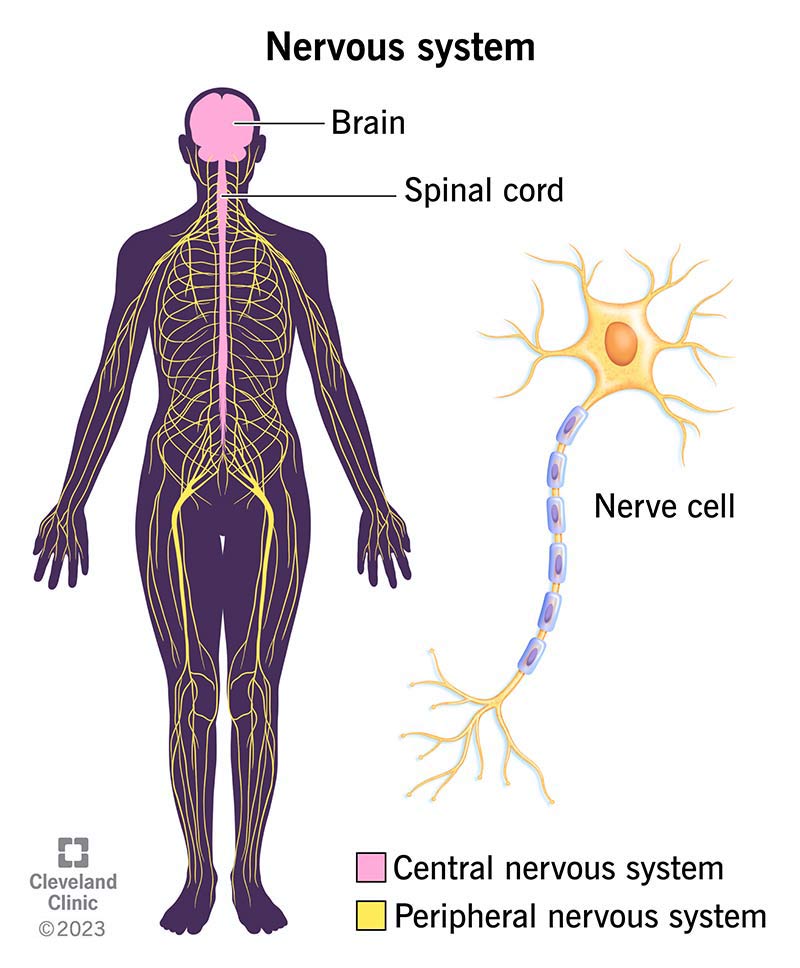
Gabapentin is primarily used to treat nerve pain associated with shingles and other neurological issues. It works by calming down nerve activity to reduce pain and discomfort. People also use it for other conditions, as prescribed by a healthcare provider.
Starting Out
If you’re prescribed gabapentin, your doctor will likely start you on a low dose. This helps your body adjust to the medicine. Over time, the dosage might be increased, depending on how well you respond to it and tolerate the side effects.
Duration of Treatment
The length of time you’ll need to take gabapentin can vary. It depends on the type of pain you have and how your body reacts to the medication. Some people take it for a few weeks, while others might need it for months or even longer. Importantly, you should not stop taking gabapentin suddenly or without consulting your doctor. This can cause withdrawal symptoms and potentially exacerbate your nerve pain.
Short-Term versus Long-Term Use
For acute pain, such as that following shingles, short-term use may be sufficient. Patients often find relief within a few weeks, and the medication can be discontinued. In contrast, chronic conditions like diabetic neuropathy or fibromyalgia might require long-term treatment. This ensures ongoing management of symptoms.
Monitoring and Adjustments
While on gabapentin, regular check-ins with your healthcare provider are crucial. These visits are opportunities to discuss the effectiveness of the medication and any side effects you might be experiencing. Your doctor can adjust your dose accordingly to find a balance that offers relief while minimizing side effects.
Side Effects to Consider
Gabapentin can cause side effects, some of which might influence how long you can comfortably take it. Common side effects include dizziness, fatigue, and water retention. More severe reactions, though rare, include mood changes or memory issues. If side effects are impacting your quality of life, discuss them with your doctor. There might be alternative treatments that can be explored.
Listening to Your Body
Paying attention to how your body responds to gabapentin is key. Relief from nerve pain should improve your daily function and quality of life. If this isn’t the case, it’s important to reassess your treatment plan with your doctor.
Beyond the Prescription
In addition to taking medication, managing your overall health can impact nerve pain. Consider incorporating exercise, a balanced diet, and stress-reducing activities into your daily routine. These can complement your medication and help manage or even reduce nerve pain.
Wrapping It Up
In conclusion, the duration for which gabapentin should be taken varies by individual. Always follow your doctor’s guidance and communicate openly about your pain and side effects. Adjustments to your prescription or a different treatment strategy may be necessary based on your experience. With careful management and regular medical advice, gabapentin can be a valuable part of your nerve pain treatment plan.