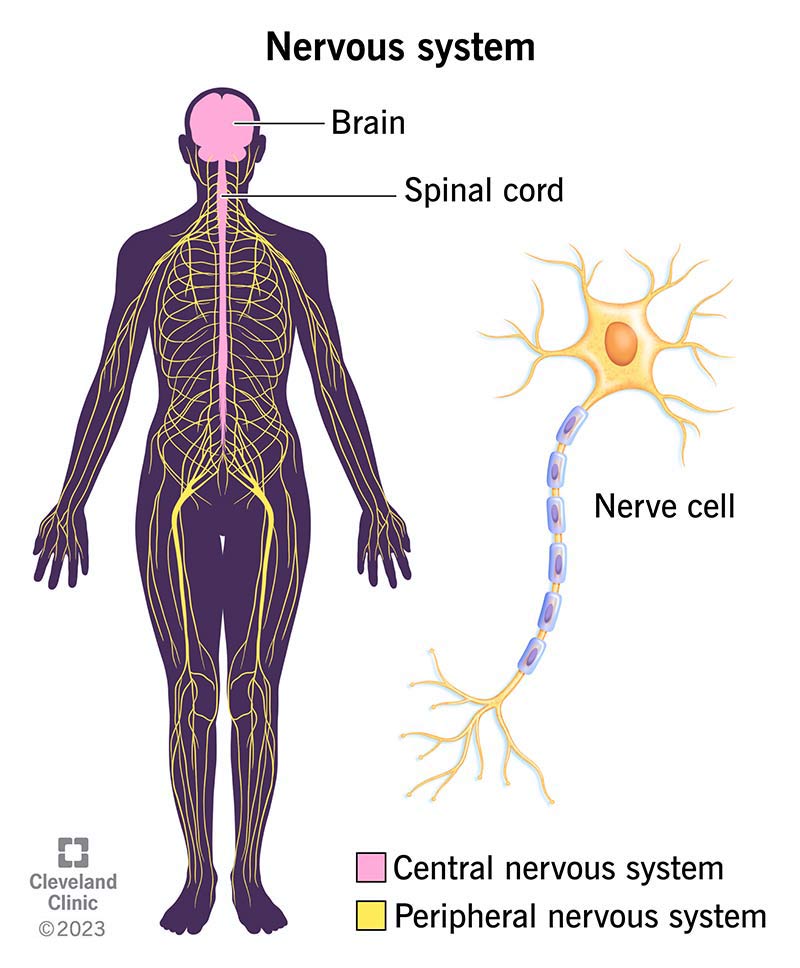
A pinched nerve occurs when too much pressure is applied to a nerve by surrounding tissues. This pressure disturbs the nerve’s function, leading to discomfort, pain, or even more severe symptoms. The experience can vary widely depending on the location and severity of the nerve compression. Here’s what you need to know about the sensations associated with a pinched nerve.
The primary symptom of a pinched nerve is pain. This pain is typically sharp or burning. It might feel like a jolt or electric shock. It often starts at the site of the pinched nerve and can travel along the path of the nerve into other areas of the body. For example, a pinched nerve in your lower back might send pain shooting down the leg.
Apart from pain, you might feel numbness or decreased sensation in the area served by the nerve. Some people describe this as having a limb that feels “asleep” with that characteristic pins and needles sensation. Tingling sensations are common and can be particularly noticeable when you try to move the affected area.
Muscle weakness is another indicator of a pinched nerve. The muscles served by the affected nerve might not function normally. You might find it difficult to lift items, walk, or even maintain your balance, depending on the location of the nerve.
Certain movements or positions can exacerbate the symptoms of a pinched nerve. You might notice that your pain worsens when you try certain activities or even when you’re resting. Some people find relief when changing positions or after gentle stretching.
It’s important to understand that the symptoms of a pinched nerve can be similar to those of other medical conditions. Therefore, an accurate diagnosis is crucial. A healthcare provider can perform a physical exam and may recommend imaging tests like an MRI or CT scan to confirm the diagnosis and pinpoint the exact location of the nerve compression.
The duration of symptoms can vary significantly. Some people experience symptoms for a few days, while others may have them for weeks or even longer if not treated. Treatment for a pinched nerve can include rest, ice and heat therapy, physical therapy, and medications to reduce inflammation and pain. In some cases, when conservative treatments don’t provide relief, surgical intervention might be necessary to relieve the pressure on the nerve.
Wrapping Up: Dealing with a Pinched Nerve
Experiencing a pinched nerve can be a painful and frustrating ordeal. However, understanding the symptoms can help you take the necessary steps towards relief and recovery. If you suspect that you have a pinched nerve, it’s important not to ignore the symptoms. Consult a healthcare professional for a proper diagnosis and appropriate treatment plan. Early intervention is key to preventing further damage and improving your overall health and well-being. Remember, each person’s body reacts differently, and tailored care is essential for effective treatment.