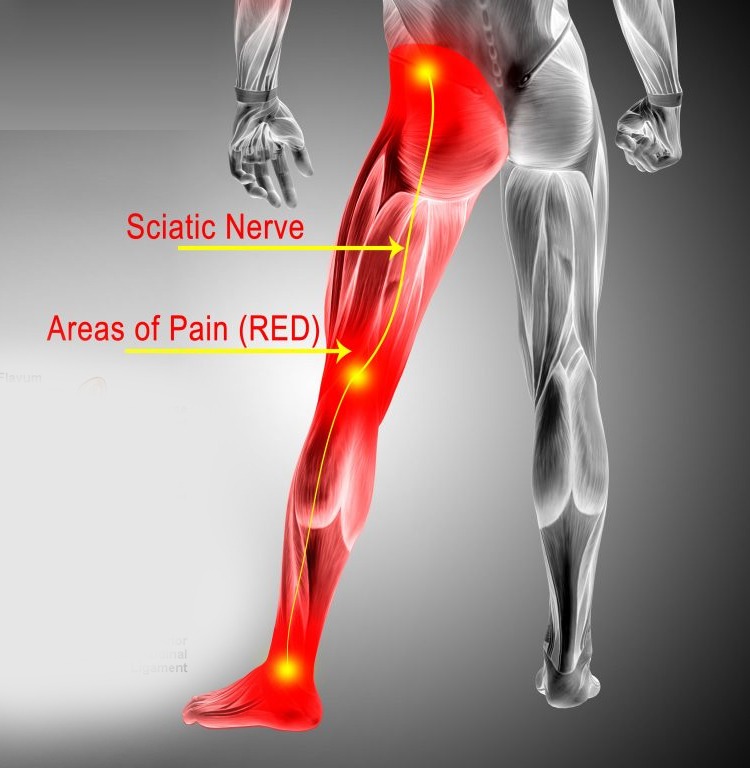
Peripheral neuropathy can sound intimidating. It’s a condition that affects millions of people, yet many remain unaware of its implications. If you’ve ever experienced tingling, numbness, or weakness in your limbs, you might be dealing with this disorder. Let’s dive into understanding what peripheral neuropathy is and explore the various causes behind its onset.
Unraveling the Mysteries of Peripheral Neuropathy
Peripheral neuropathy refers to damage to the peripheral nerves. These nerves are responsible for sending signals between your brain and spinal cord and the rest of your body. When they’re damaged, even simple tasks can become challenging. You might experience sharp pains, a feeling of heaviness, or even an overwhelming sense of numbness.
The symptoms vary widely among individuals. Some people report a burning sensation, while others might struggle with muscle weakness or coordination issues. These sensations can be alarming, leading many to seek medical advice. Fortunately, understanding the condition is the first step toward effective management and treatment.
Diagnosis often involves a thorough medical history and physical examination. Your healthcare provider may also recommend blood tests, imaging studies, or nerve conduction tests to assess nerve health. Although it can be daunting to face these tests, they’re essential for pinpointing the exact cause of your symptoms.
Discovering the Surprising Causes Behind Nerve Sensations
You might be surprised to learn that there are numerous causes of peripheral neuropathy. One of the most common culprits is diabetes. High blood sugar levels can damage nerves over time, leading to diabetic neuropathy. If you manage diabetes, keeping your blood sugar in check is crucial for nerve health.
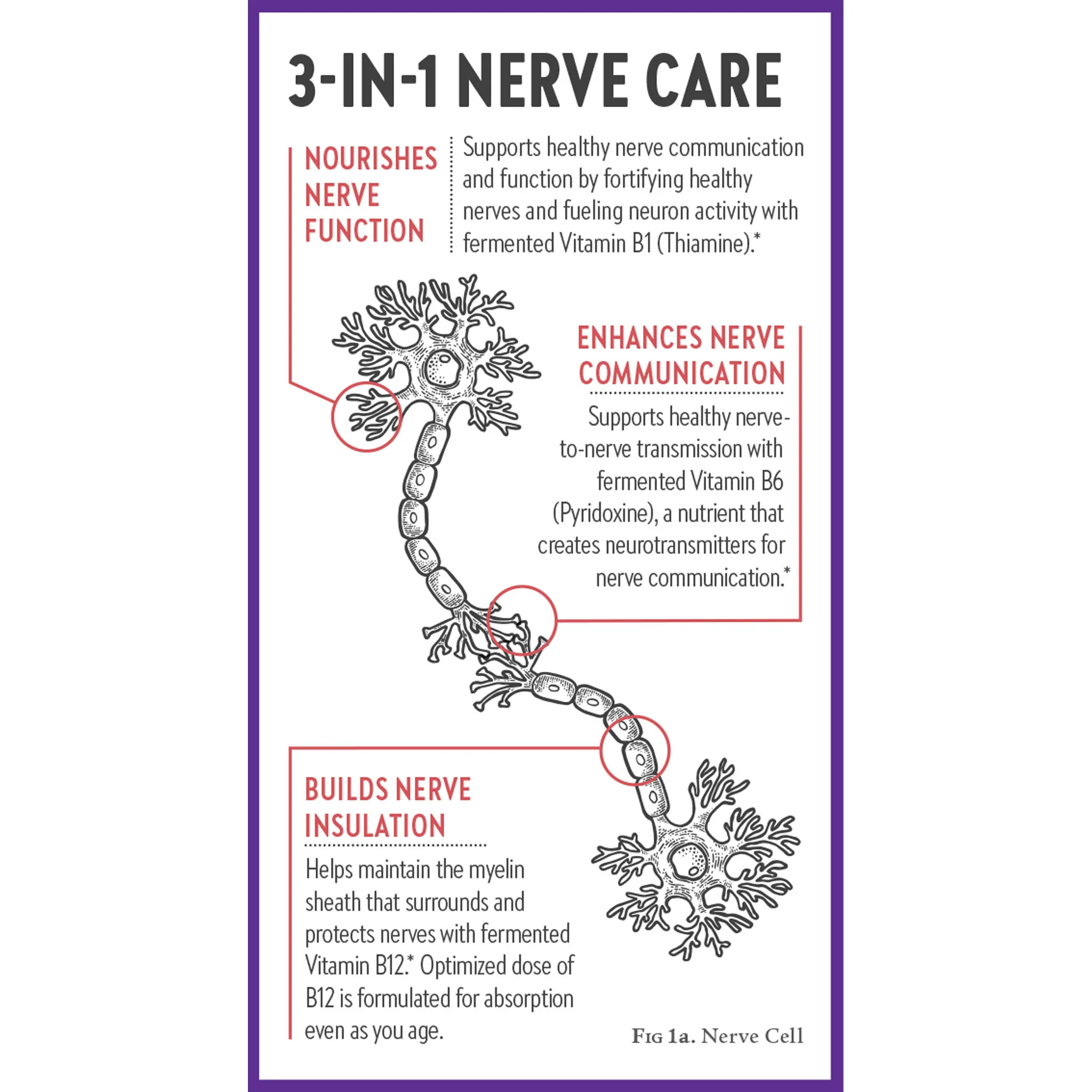
In addition to diabetes, certain vitamin deficiencies can lead to nerve issues. Vitamins B1, B6, and B12 are particularly important. A lack of these nutrients can result in nerve damage and the unpleasant sensations associated with peripheral neuropathy. Eating a balanced diet rich in these essential vitamins can help maintain healthy nerve function.
Alcohol abuse is another surprising factor. Excessive drinking can lead to nutritional deficiencies and direct nerve damage. It’s essential to recognize the impact of lifestyle choices on your overall health. Stress, infections, and autoimmune diseases also play a role in developing peripheral neuropathy. Awareness of these factors can help you make informed decisions about your health and well-being.
Understanding peripheral neuropathy opens the door to better management and improved quality of life. With knowledge, you can take proactive steps to protect your nerve health. From dietary changes to lifestyle adjustments, there are many avenues to explore. Don’t let nerve sensations dictate your life; instead, embrace the journey to wellness and stay informed!