Alcohol and smoking are two common vices that many individuals indulge in. However, while they may provide temporary enjoyment, their long-term effects on nerve health can be alarming. Understanding how these substances impact our nervous system is vital for making informed choices. Let’s dive into the world of alcohol and smoking, and explore how they affect our nerves over time.
Cheers or Fears? Unraveling Alcohol’s Nerve Effects!
Alcohol has been a part of human culture for centuries. It’s often seen as a social lubricant, easing tensions and enhancing merriment. But what happens when the celebration ends? Chronic alcohol consumption can lead to significant nerve damage. The body processes alcohol through the liver, and excessive intake can result in a deficiency of essential nutrients, particularly B vitamins. These vitamins are crucial for maintaining healthy nerve function.
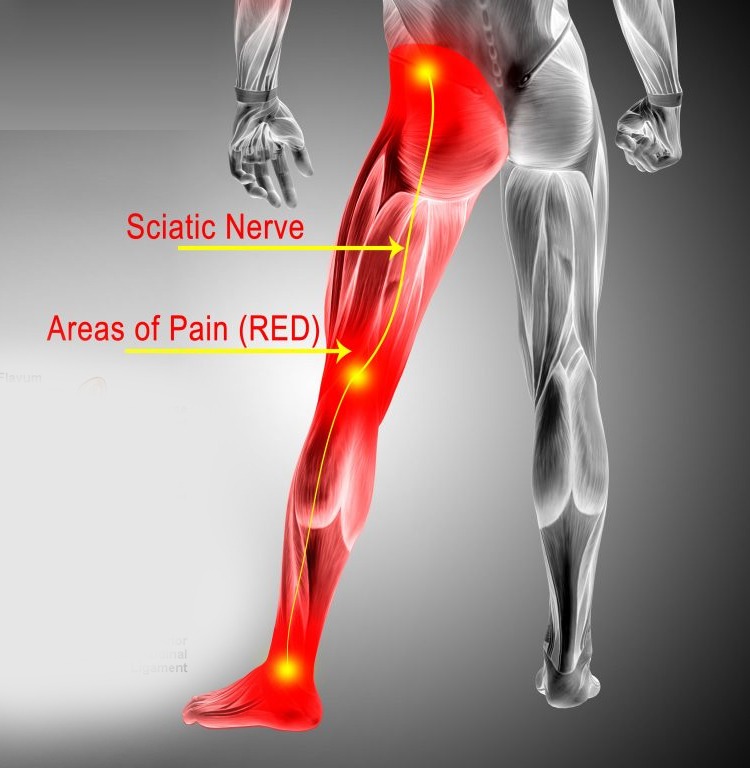
As the years go by, the effects of alcohol become more pronounced. Heavy drinking can lead to a condition known as alcoholic neuropathy, which causes numbness, tingling, and pain in the extremities. This condition affects how signals are transmitted between the brain and the body. In severe cases, it can hinder mobility and impact daily life. The longer the alcohol abuse continues, the higher the risk of permanent nerve damage.
Moreover, the impact of alcohol isn’t just physical; it can also affect mental health. Alcohol can alter mood and cognition, leading to anxiety and depression. These mental health issues can further complicate nerve health. It’s a vicious cycle that can be hard to break. So, while a glass of wine can be enjoyable, moderation is key to preserving nerve health over the long haul.
Puffing and Nerves: The Smoky Truth Over the Years!
Smoking is another habit that has detrimental effects on nerve health. The smoke from cigarettes contains harmful chemicals that can damage nerves directly. Carbon monoxide and tar can impair blood flow, meaning that nerves don’t receive the oxygen and nutrients they need. Over time, this can lead to serious nerve damage and neurological issues.
Long-term smokers often experience peripheral neuropathy, which manifests as pain, tingling, or weakness in the limbs. The risk only increases with time. Research shows that smokers are more likely to develop conditions like carpal tunnel syndrome and other nerve-related issues. It’s a worrying trend that should not be ignored. Quitting smoking can help reverse some of these effects, but the damage can sometimes be permanent.
Additionally, smoking doesn’t just affect the nerves; it wreaks havoc on overall health. Smokers are at a higher risk for cardiovascular diseases, which can further impair circulation to the nerves. This can exacerbate existing nerve problems and create new ones. Many people underestimate the power of quitting smoking, but doing so can dramatically improve nerve health and enhance overall well-being.
It’s clear that both alcohol and smoking can have lasting effects on nerve health. While they may seem harmless in moderation, the long-term consequences are anything but. By choosing to indulge mindfully and prioritize health, individuals can safeguard their nerves and enjoy a brighter, healthier future. Cheers to making better choices and embracing a smoke-free life!